Search every volume:
Volumes
-
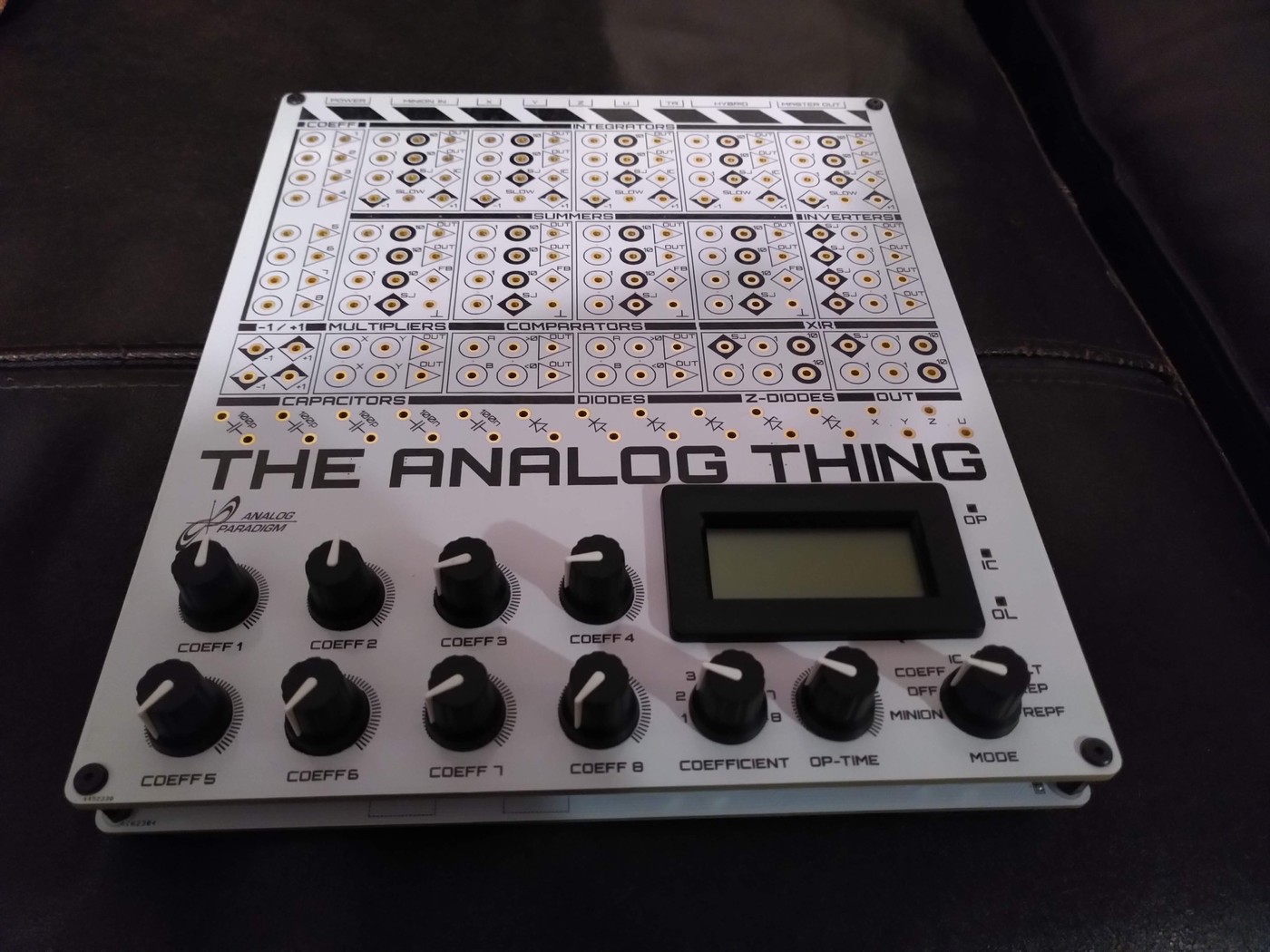 Vol 1 Homebrew & Open-Source Analog Computers — Volume 1 — Scope, definitions and the state of the field What counts as a homebrew machine, what 'open-source' actually means once the licence is read, and a census of the designs a builder can work from today
 -
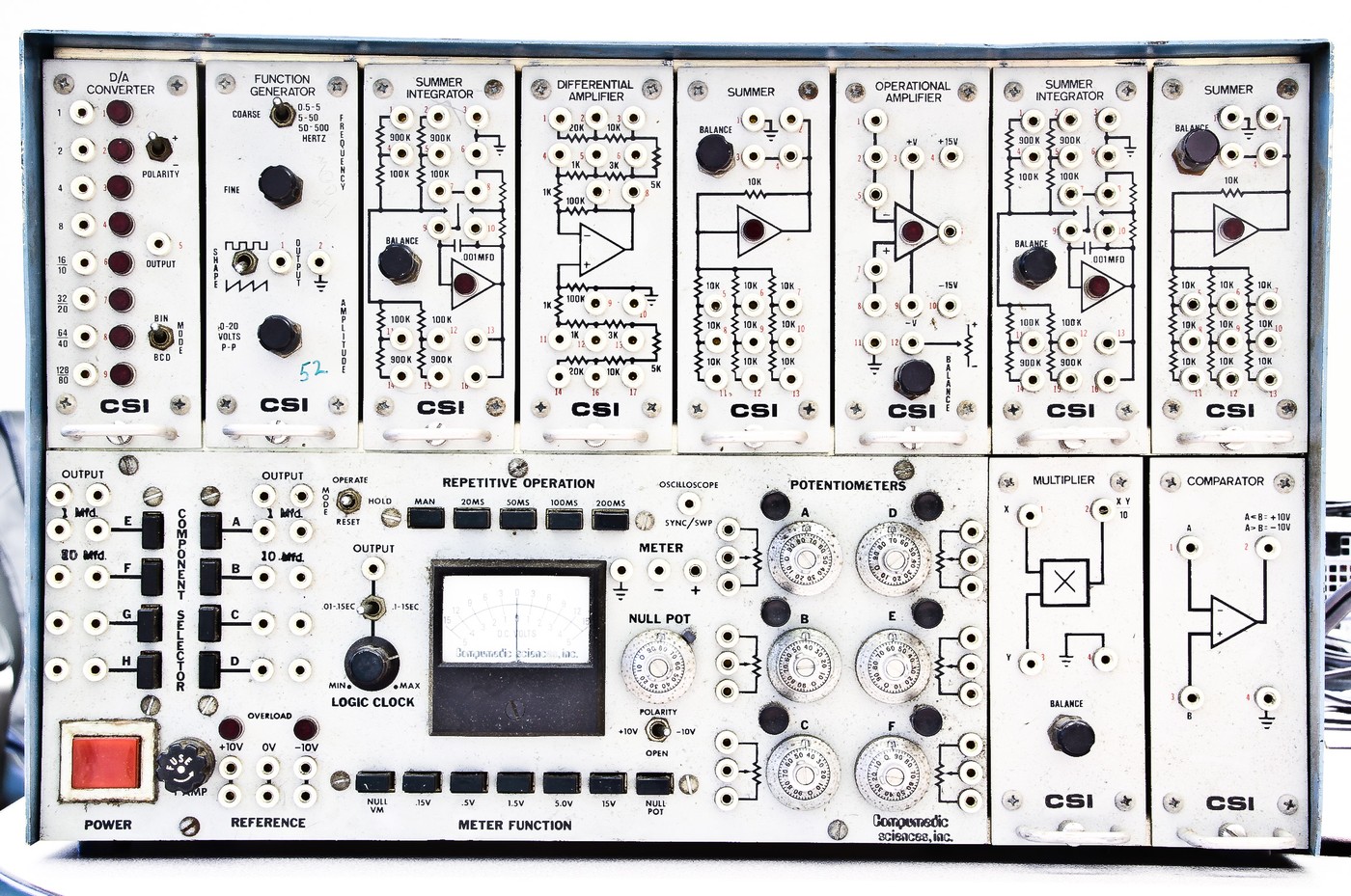 Vol 2 Homebrew & Open-Source Analog Computers — Volume 2 — The computing elements What an operational amplifier has to do to be a computing element, which error terms actually matter, and which parts meet the requirement — every figure traced to a datasheet
 -
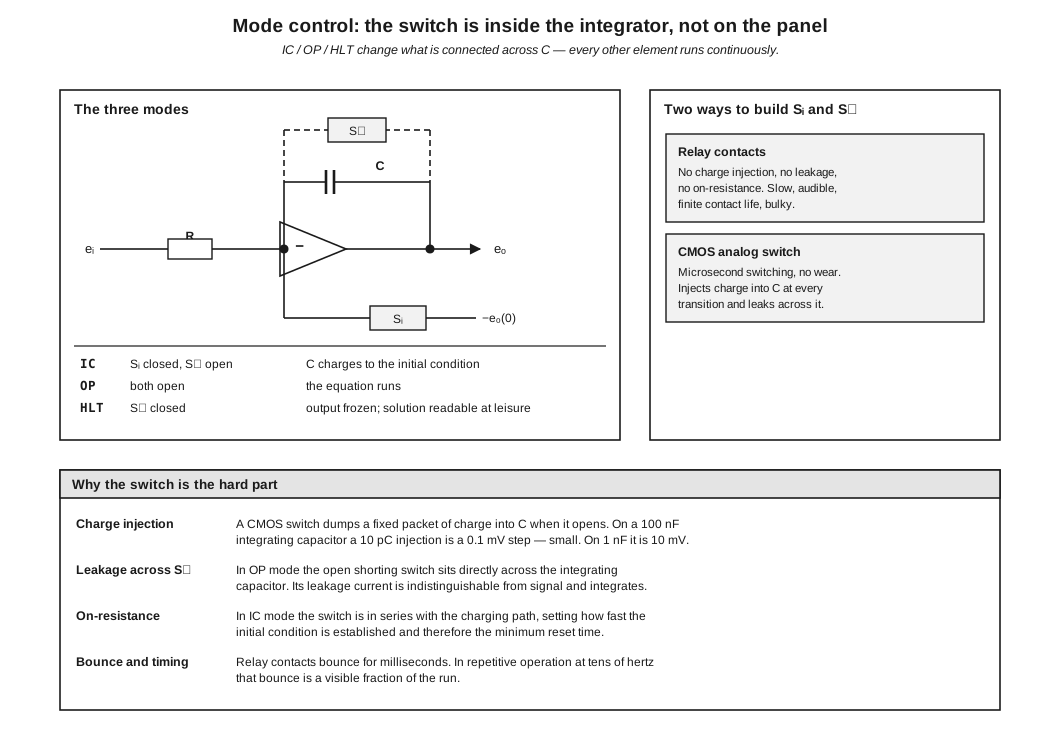 Vol 3 Homebrew & Open-Source Analog Computers — Volume 3 — Integrators, mode control and what is genuinely hard The IC/OP/HLT problem, relays against CMOS switches, dielectric absorption, the drift budget, and the diagnostics a homebrew machine usually omits
 -
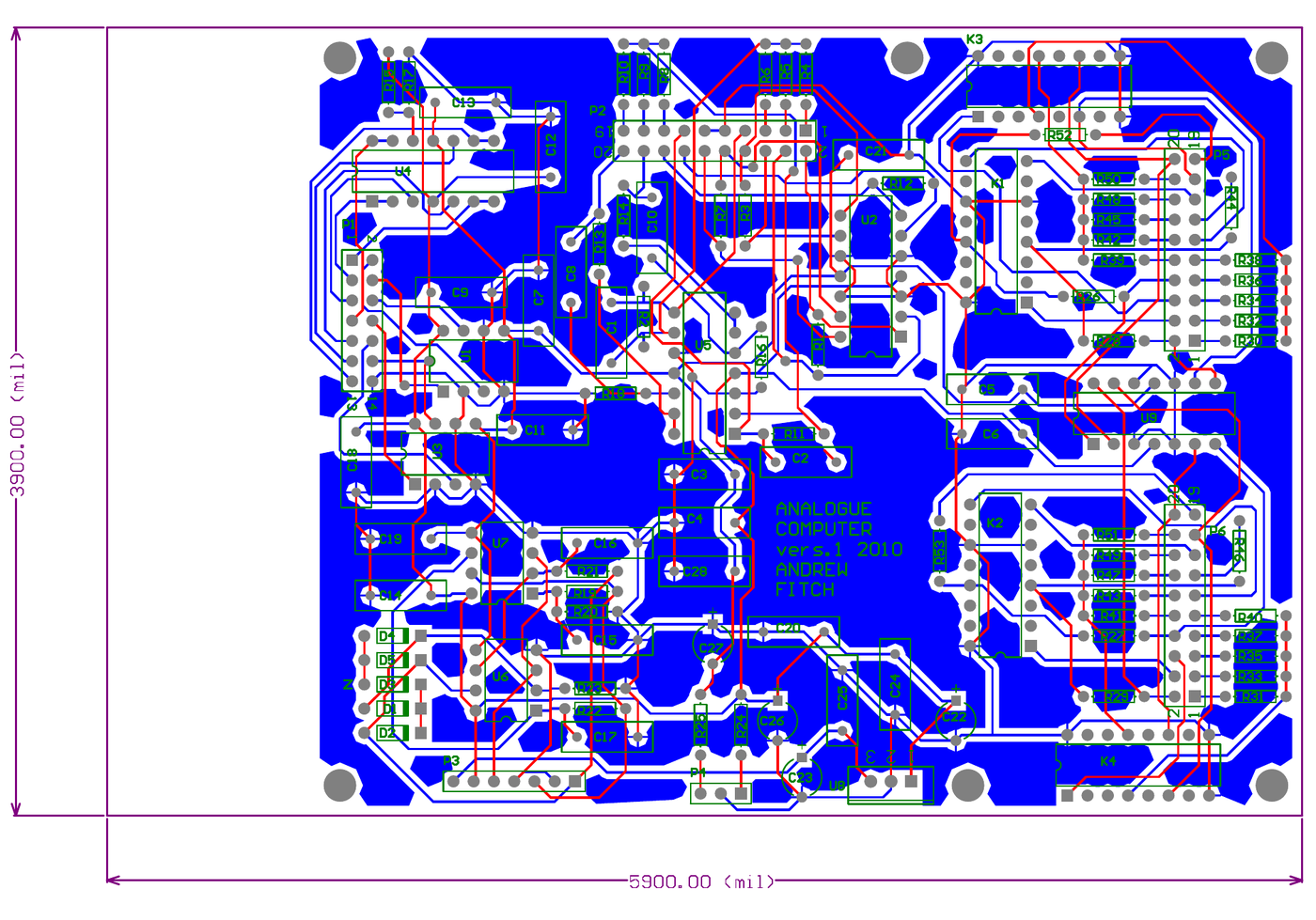 Vol 4 Homebrew & Open-Source Analog Computers — Volume 4 — The documented designs, read as engineering Six machines from 1968 to 2022, each read for the decisions it made, the constraints behind them, and what the surviving documents do and do not establish
 -
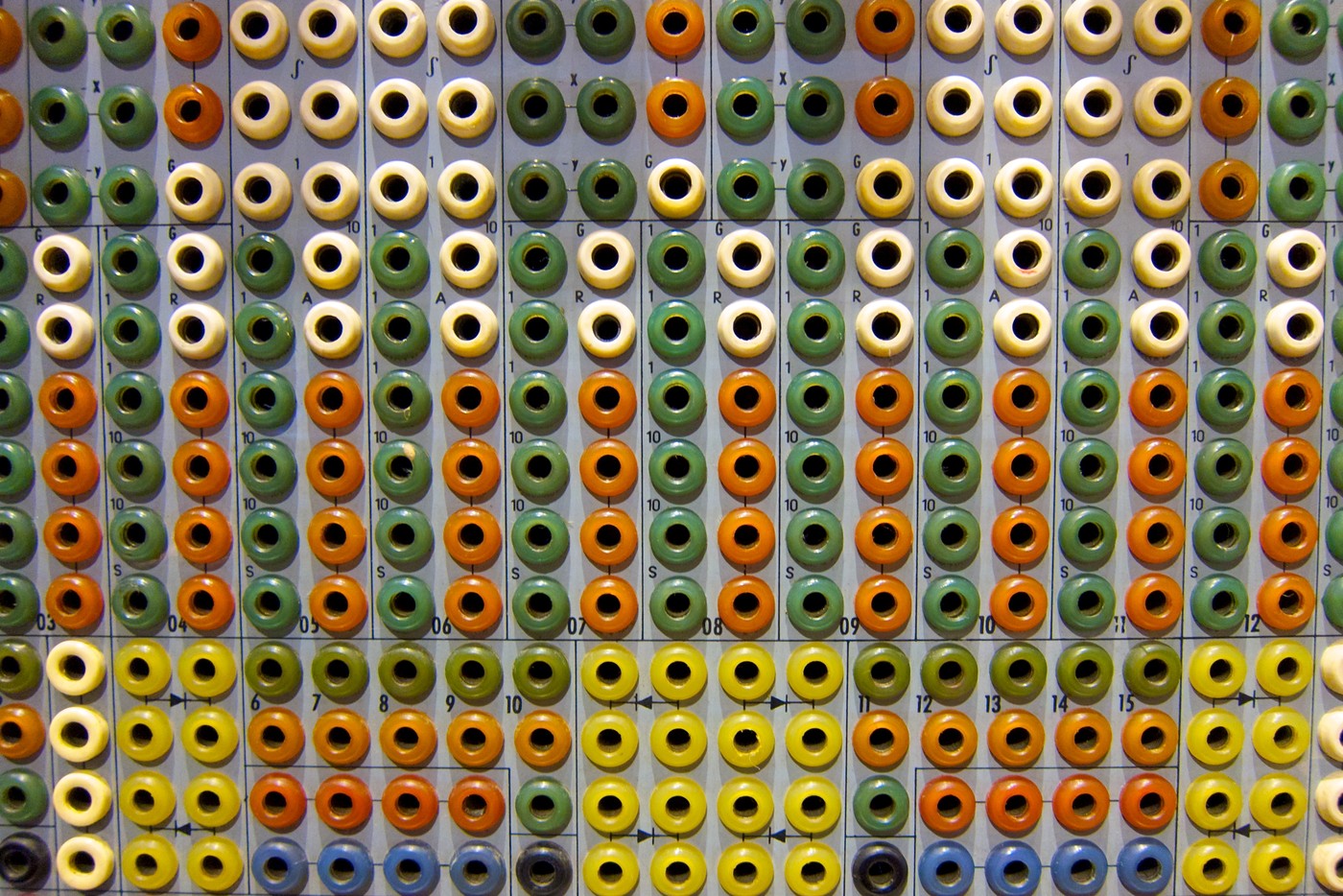 Vol 5 Homebrew & Open-Source Analog Computers — Volume 5 — Substrates and physical construction Chassis, rails, backplanes, panels and jacks — including the recurring question of whether a modular synthesiser format can be turned into an analog computer
 -
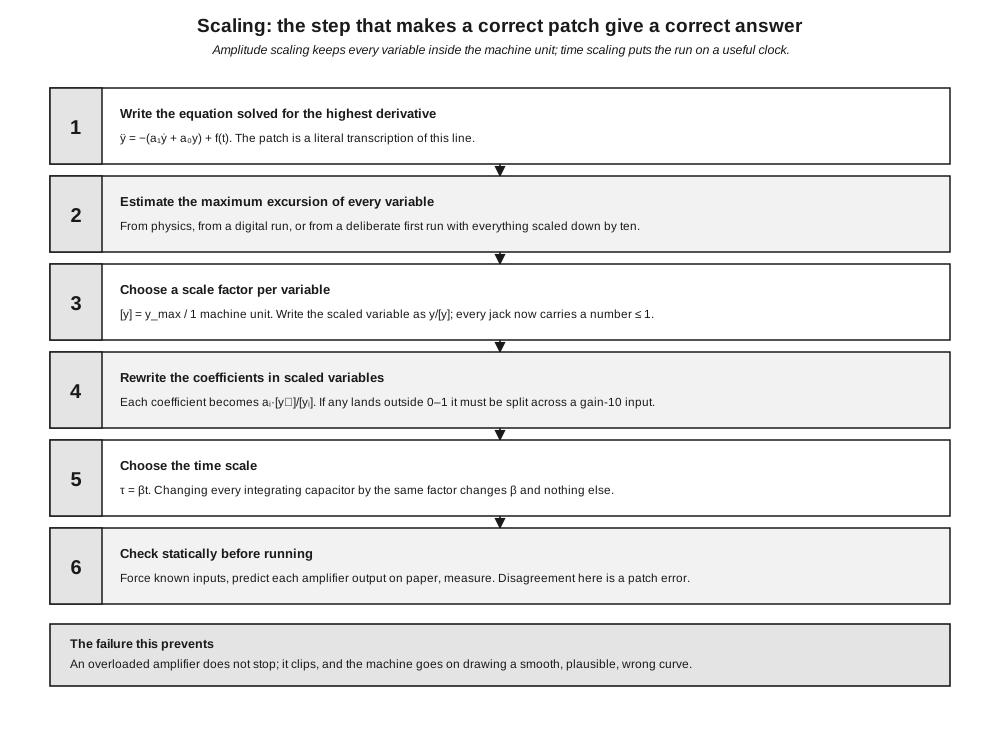 Vol 6 Homebrew & Open-Source Analog Computers — Volume 6 — Patching and scaling practice Amplitude and time scaling worked through in full, two complete programs with their arithmetic, and the static check-out that catches a wrong patch before it produces a plausible answer
 -
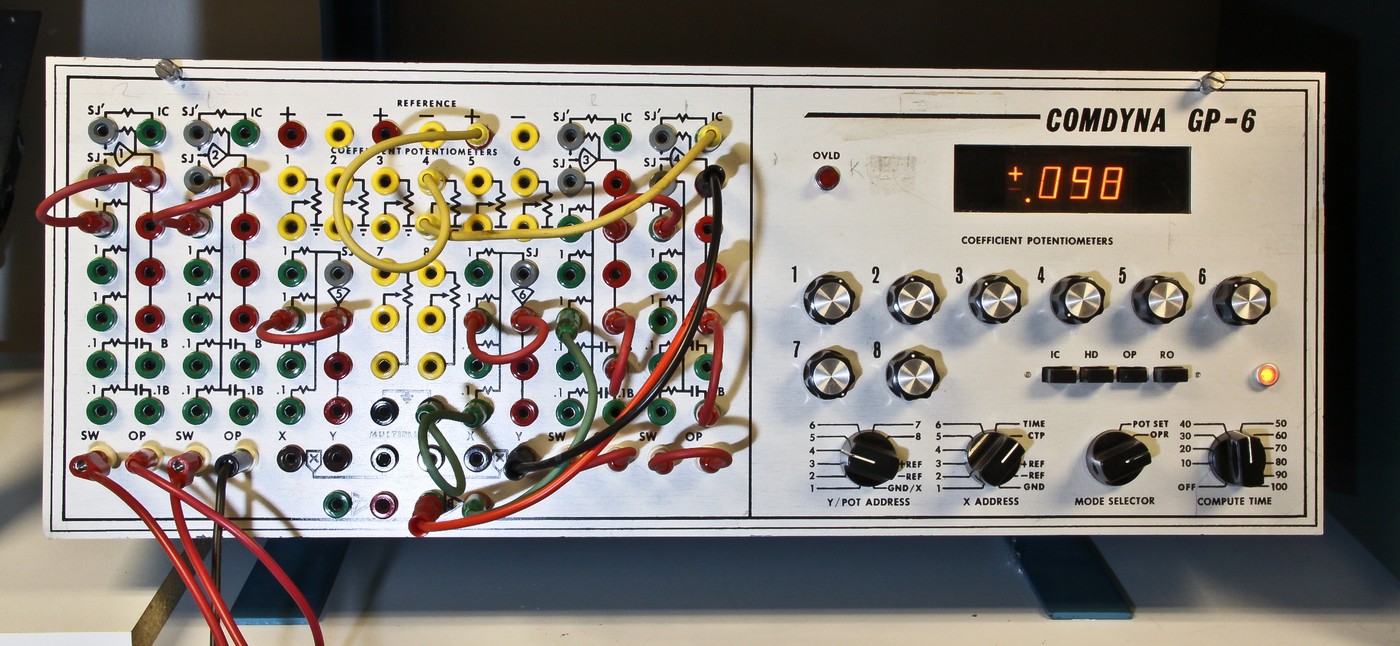 Vol 7 Homebrew & Open-Source Analog Computers — Volume 7 — Licences, provenance and where the modern machines depart The licence audit in full, the departures from the 1960s machines that are real and the ones that only look real, and the questions this dive could not settle