Search every volume:
Volumes
-
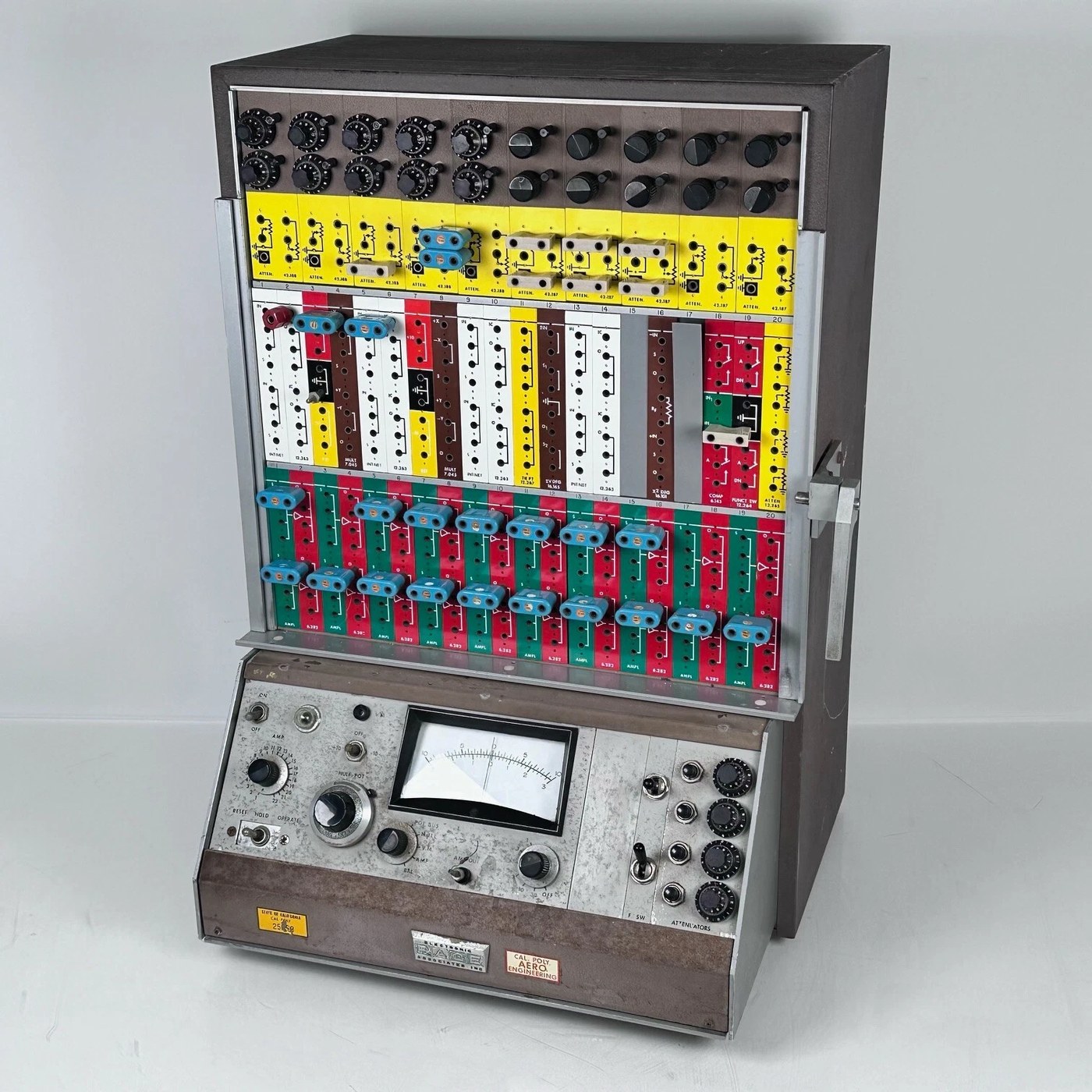 Vol 1 EAI PACE TR-10 — Volume 1 — Overview & history What the machine is, where it sat in the market, and exactly how much of the record can be trusted — the ground for Volumes 2–7
 -
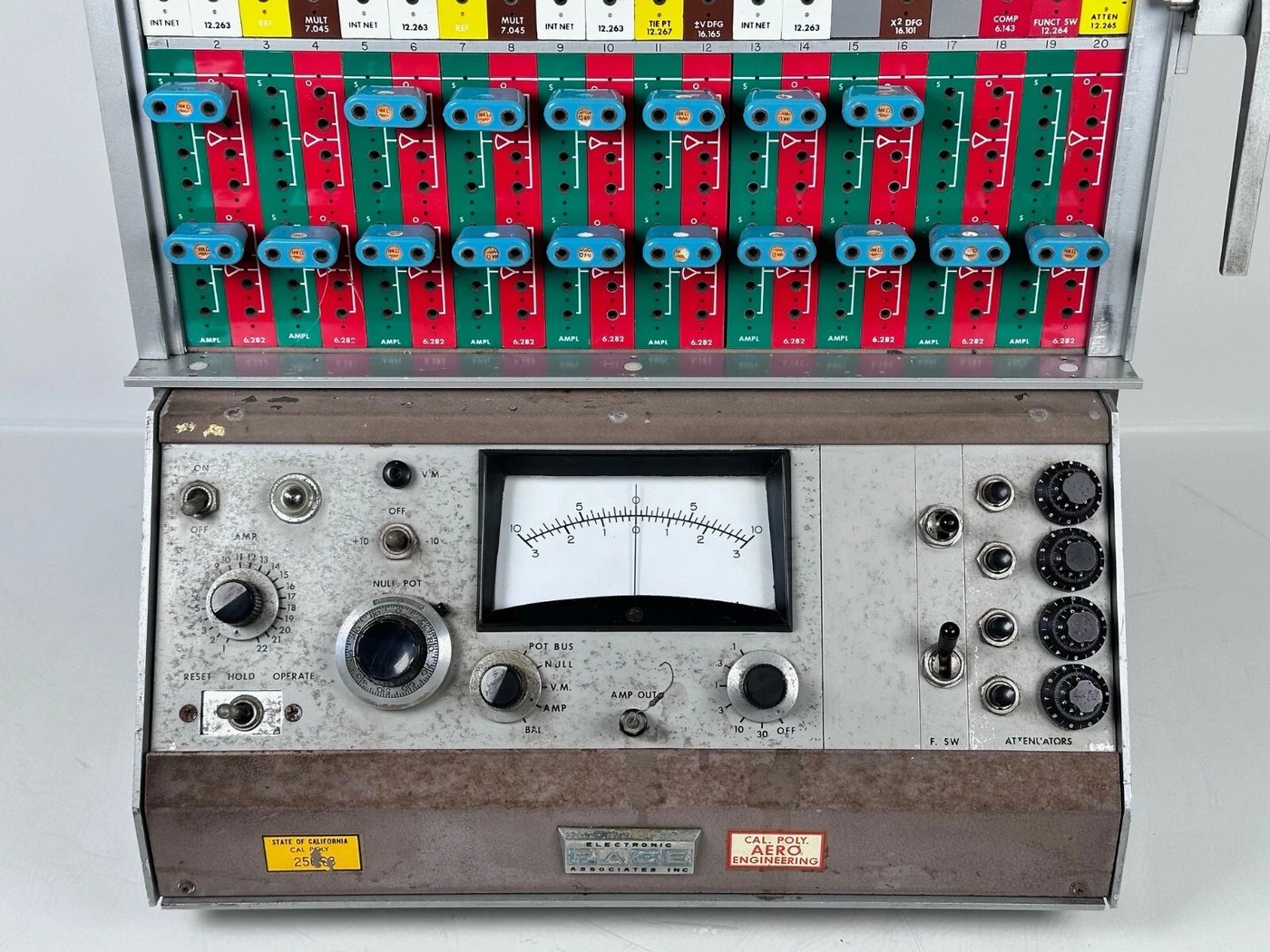 Vol 2 EAI PACE TR-10 — Volume 2 — System architecture The four console areas, the plug-in principle, bus-bar power, and the patch panel that is made of module faces — with the one architectural question the sources answer two different ways
 -
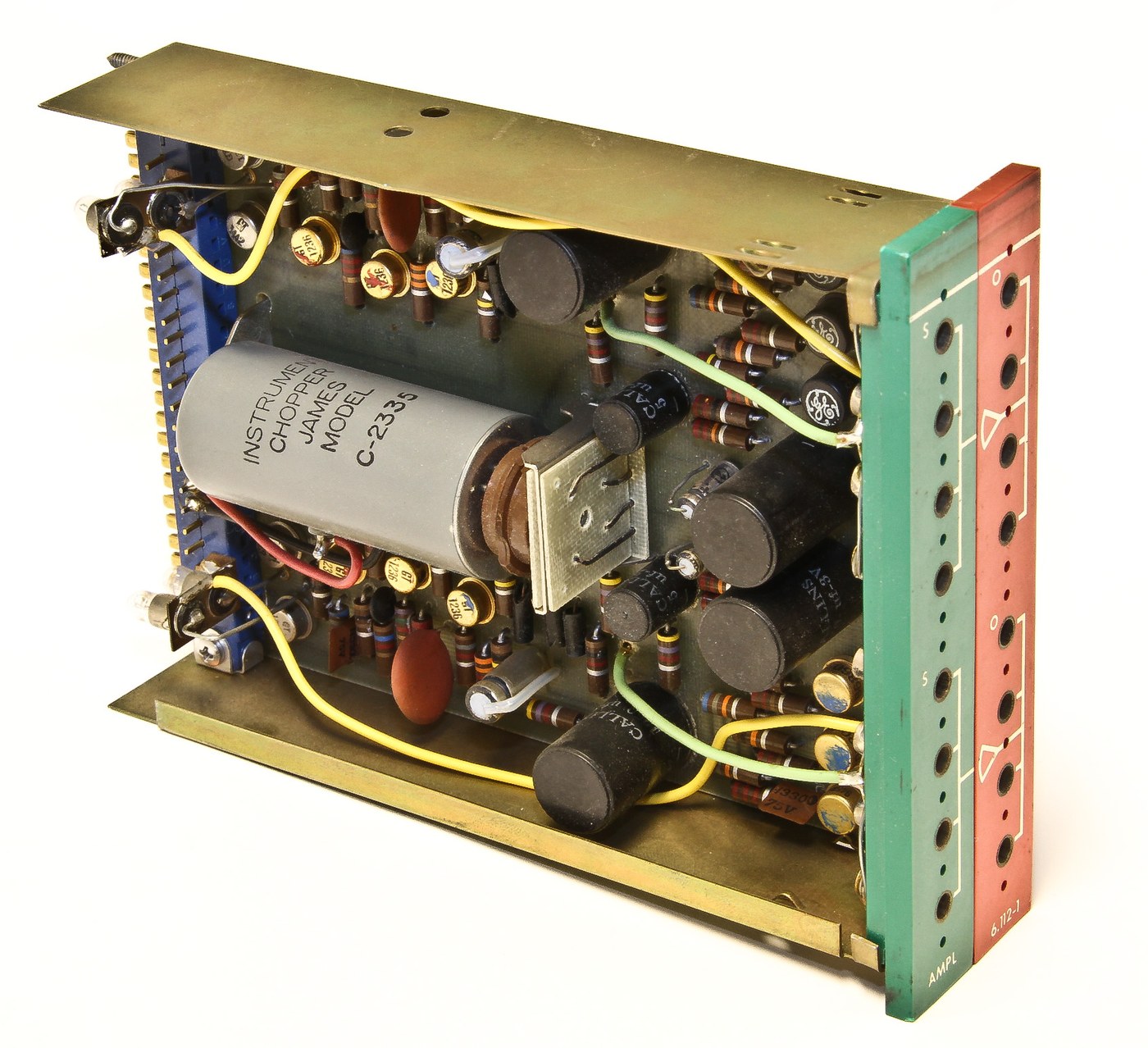 Vol 3 EAI PACE TR-10 — Volume 3 — The computing components Every module EAI catalogued for the machine, by type number, with its specified performance, its patch-panel face and its place in the row
 -
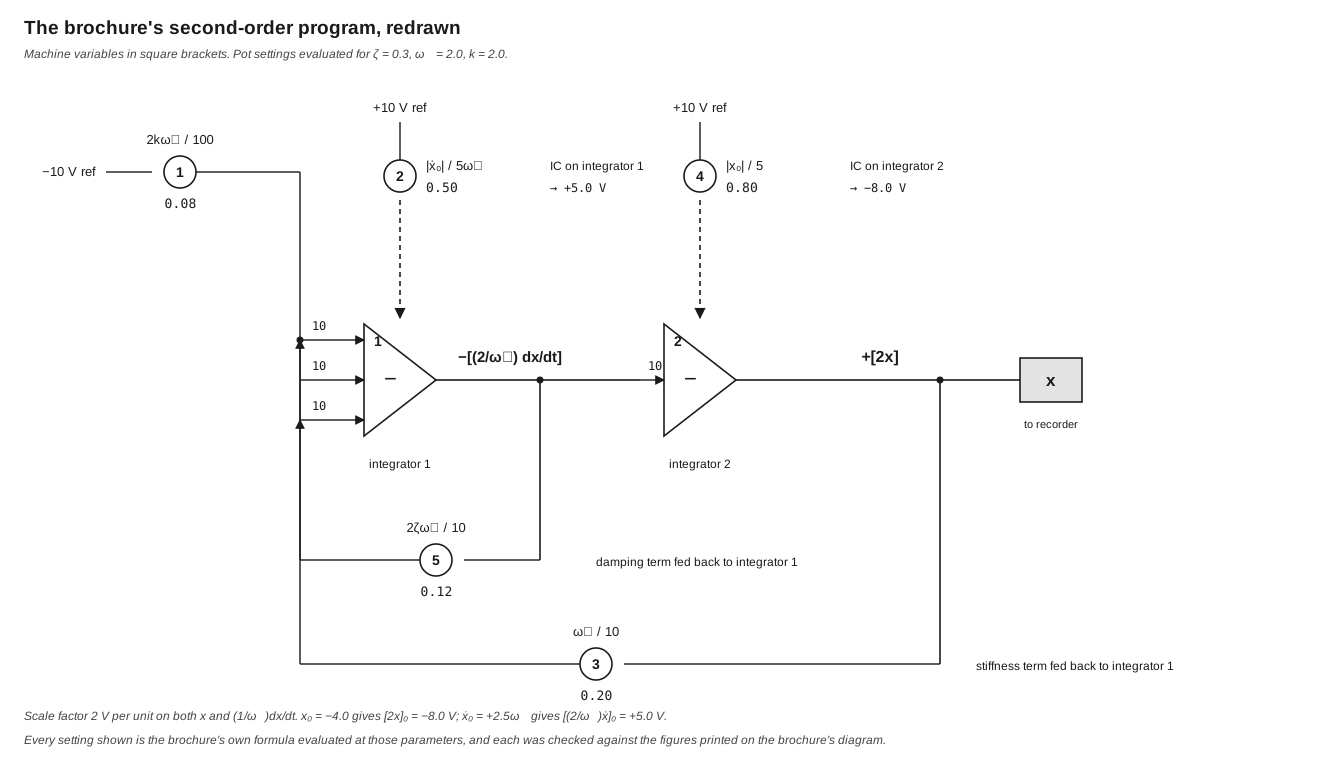 Vol 4 EAI PACE TR-10 — Volume 4 — Programming & scaling From a differential equation to a patched console: the method, amplitude scaling from first principles, and EAI's own two worked programs re-derived and checked
 -
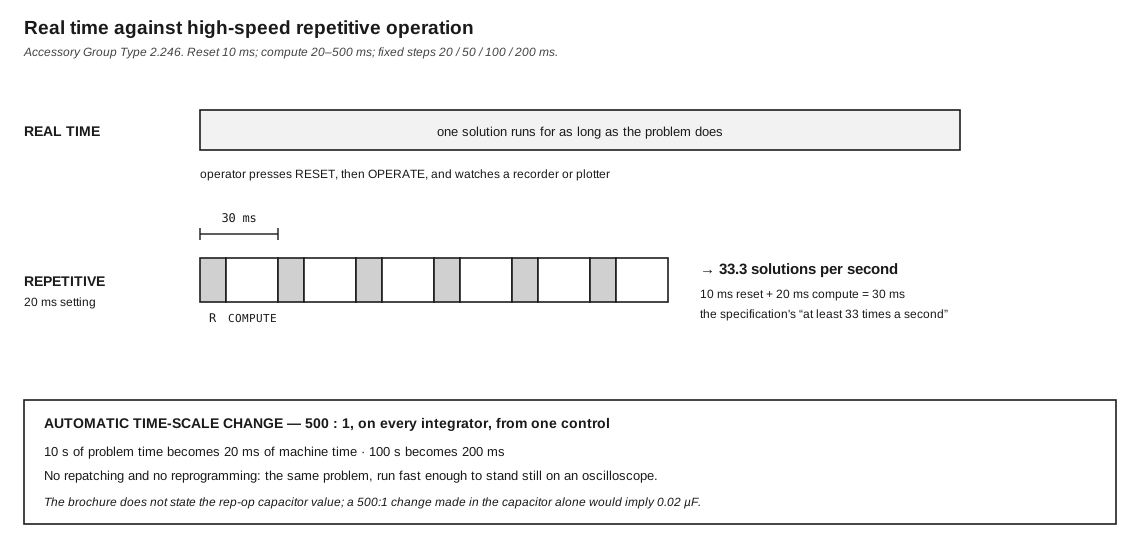 Vol 5 EAI PACE TR-10 — Volume 5 — Time scaling & repetitive operation How integrator gain sets the machine's clock, what the factor β does, and how Accessory Group 2.246 runs a hundred seconds of problem in two hundred milliseconds
 -
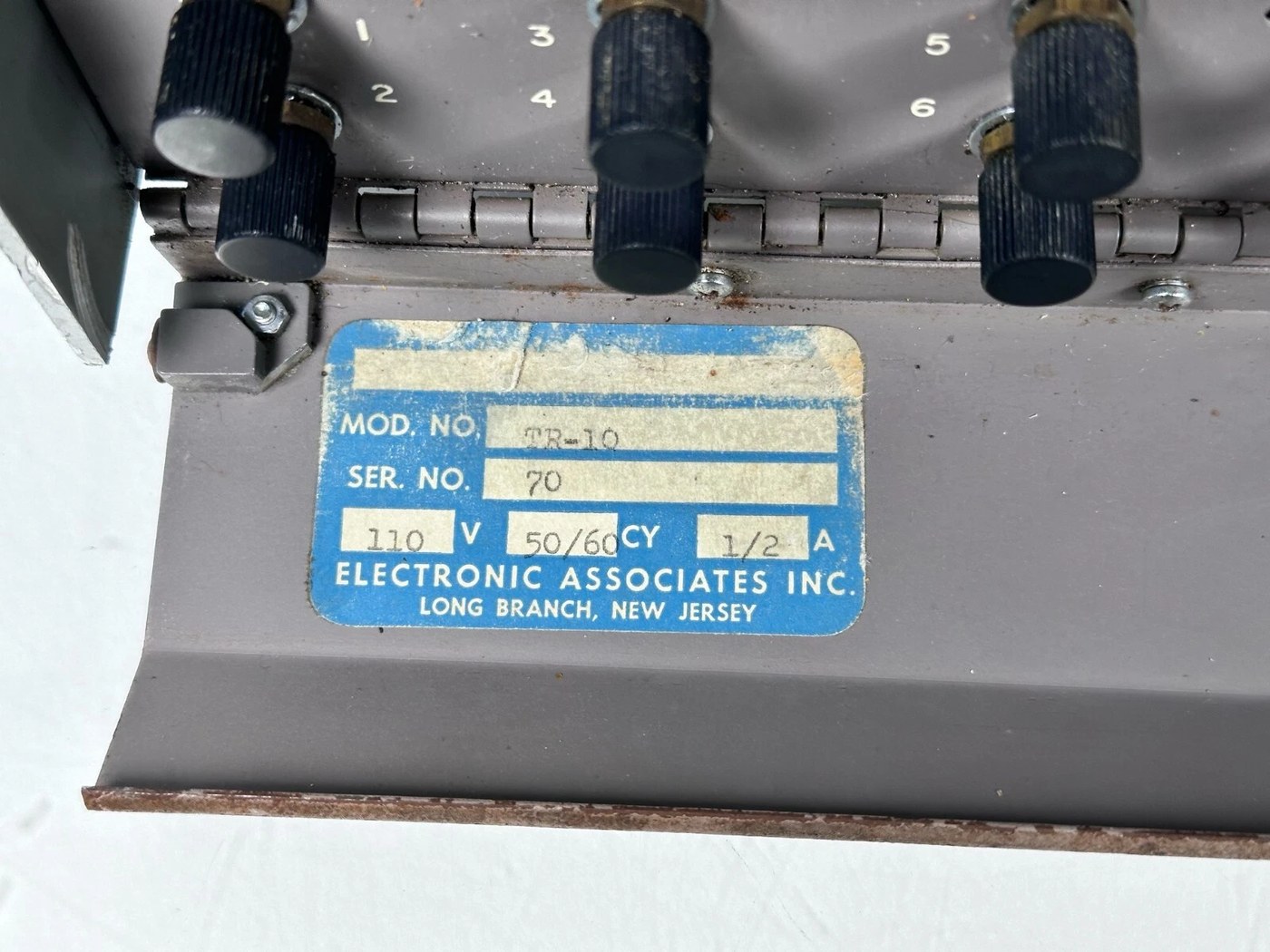 Vol 6 EAI PACE TR-10 — Volume 6 — Specifications & the documentary record Specification GPAC-TR-10 PS 6305 clause by clause against the brochure, every divergence catalogued, and an honest list of what nobody here can source
 -
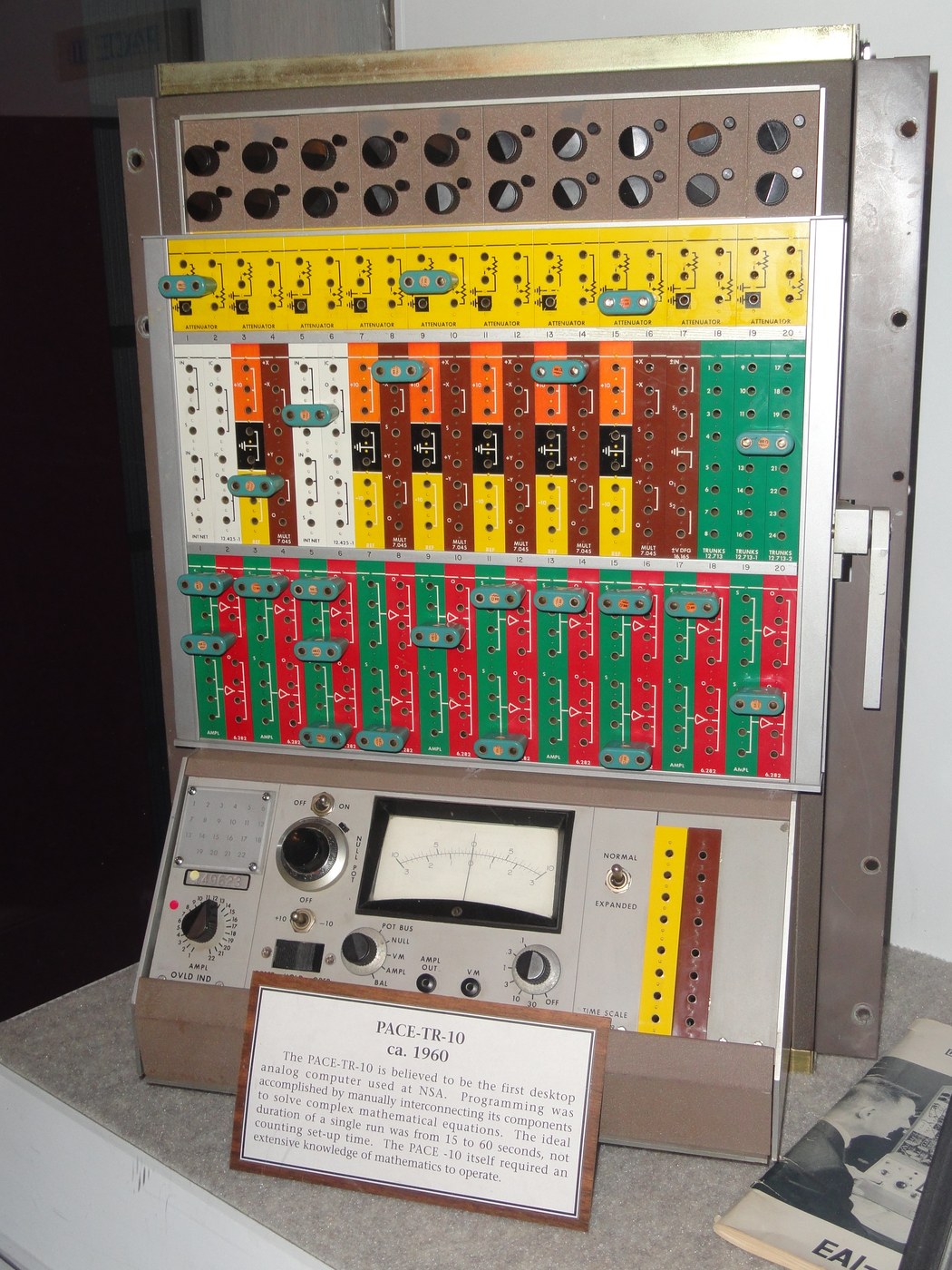 Vol 7 EAI PACE TR-10 — Volume 7 — Use, teaching and aftermath The five-step working method, who actually operated these machines, the EAI product line as it turned hybrid, and what survived the displacement by digital computation